How to Plant Native Bluebell Bulbs in Grass: A Step-by-Step Guide
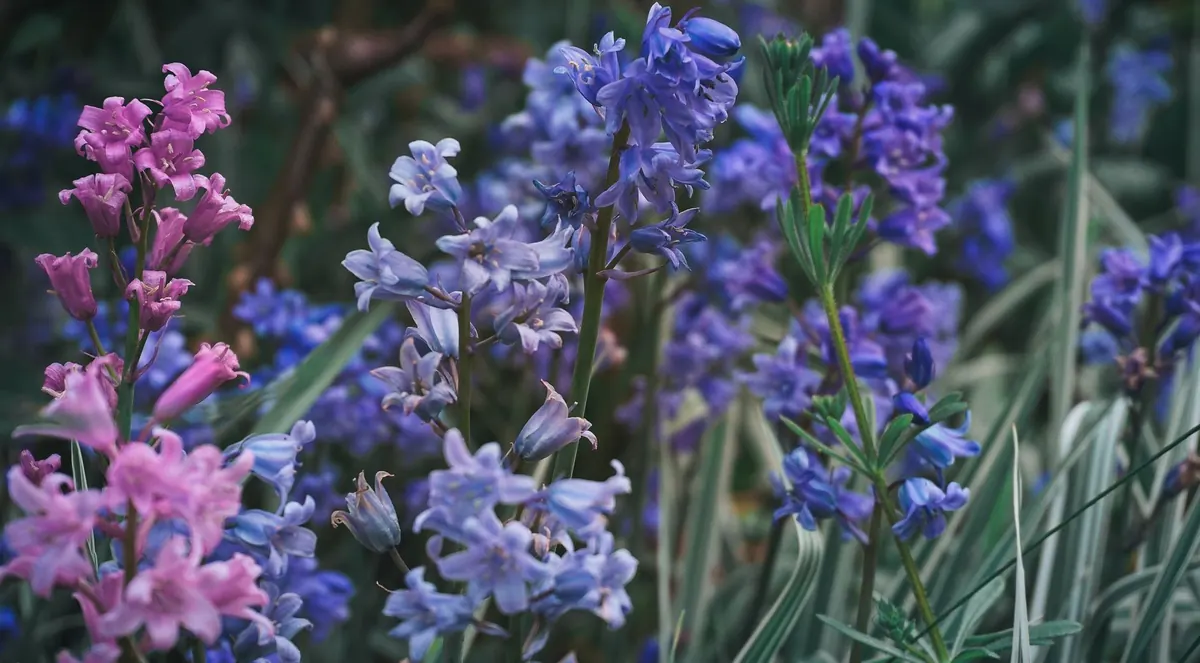
Native bluebells look most at home when they are rising through grass. A drift under a deciduous tree, a fringe along a hedge, or a rough patch of lawn left unmown in spring can feel as though it has always been there. The trick is to plant them with the same rhythm they follow in woodland: bulbs in the soil by autumn, leaves in the light in spring, and a long, undisturbed fade into summer.
Why Grass Suits Native Bluebells
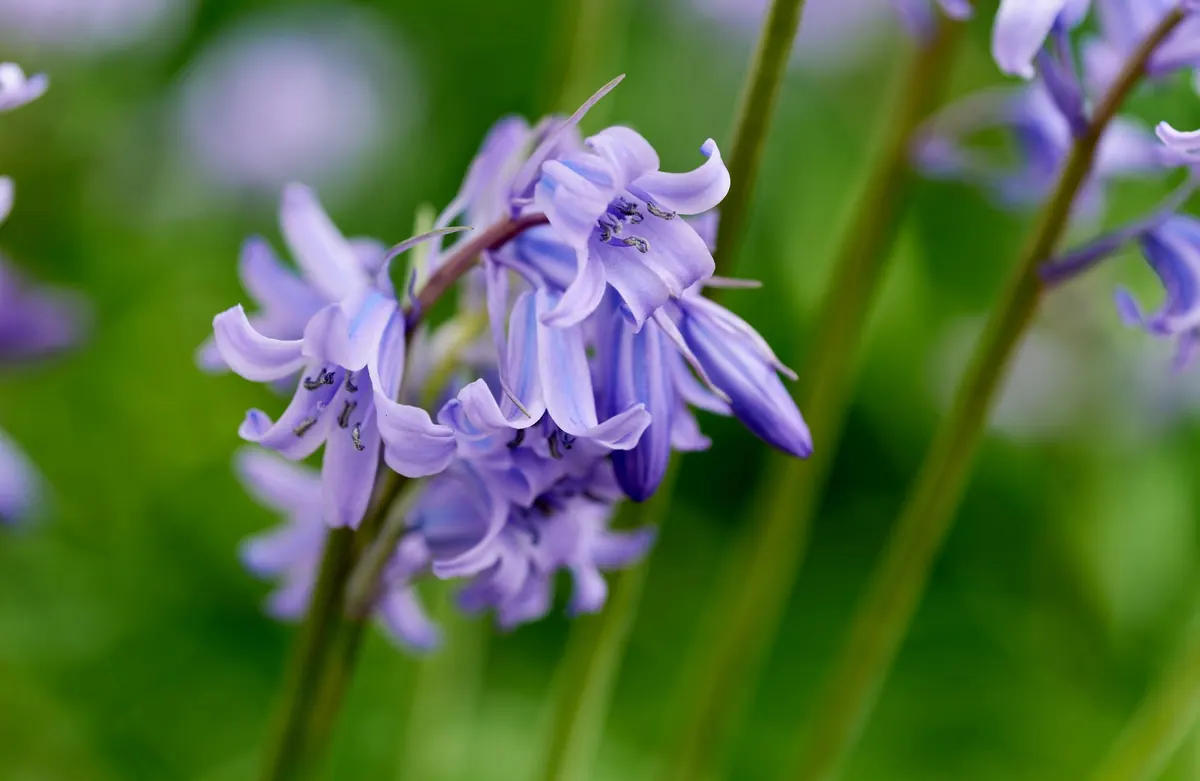
Hyacinthoides non-scripta, the native bluebell, evolved in woodland and hedgerow grass. It likes dappled shade, moist but free-draining soil, and the company of other plants. Grass is not the problem; our habit of mowing it short all spring is. If you can give bluebells a patch that stays unmown from late winter until the leaves die back, they will settle in well.
Good spots include under apple trees, along a north-facing hedge, at the edge of a wildflower meadow, or in a lawn area you are happy to leave shaggy until July. Avoid permanently wet hollows, deep shade with no spring light, and exposed, baking spots. Bluebells need light while their leaves are green, then they need peace.
When to Plant Native Bluebell Bulbs
You can buy native bluebells as dry bulbs in late summer and early autumn, or “in the green” in late spring. Dry bulbs are usually available from August to October. Plant them as soon as you can, ideally September to November, while the soil is still warm enough for roots to grow before winter. If the ground is frozen or waterlogged, wait.
Bulbs in the green are lifted after flowering with their leaves and roots still active. They cost more and need planting immediately, but they establish faster. Late May to early June is typical, depending on your climate. Whichever you choose, check that the stock is genuinely native and not a Spanish bluebell or a hybrid. Never dig bluebells from the wild; in many places that is illegal, and it damages ancient colonies. Buy from a reputable nursery that sells native provenance.
Preparing the Grass and Soil
Bluebells are not fussy about perfect soil, but they dislike compaction and standing water. In an existing lawn, mark out the area with sticks or string. You do not need to strip all the turf. Instead, work in small patches or individual planting holes.
If the grass is coarse and vigorous, such as perennial rye, it will compete hard. Plant in clusters and keep the grass around them trimmed low in autumn, or weaken the turf slightly with a fork before planting. For a meadow-style patch, cut the grass short in late summer, rake off clippings, and fork over the top few centimetres to relieve compaction. Add a thin layer of leaf mould or garden compost if the soil is poor. Do not add rich manure; bluebells prefer woodland soil, not a vegetable bed. Under trees, avoid disturbing shallow roots more than necessary.
Depth, Spacing, and Planting Technique
Plant dry bulbs about 10–15 cm (4–6 inches) deep, or roughly two to three times the height of the bulb. In light, sandy soil, go a little deeper; in heavy clay, keep to the shallower end and improve drainage with leaf mould. Space bulbs 10–15 cm apart. They look best in informal drifts, so plant in groups of ten to twenty rather than neat rows. For bulbs in the green, plant them at the same depth they were growing before, with the roots spread out and the leaves just above the soil.
- Lift a flap of turf with a spade or use a bulb planter. Keep the turf piece intact.
- Loosen the soil at the base of the hole and add a handful of leaf mould if it is heavy.
- Place the bulb pointed end up. For bulbs in the green, fan out the roots gently.
- Backfill with soil, replace the turf flap, and firm it gently with your boot.
- Water well if the soil is dry. Mark the patch with a small stick or label.
Repeat every 10–15 cm. If squirrels or mice dig in your area, lay a piece of chicken wire over the patch and peg it down, or scatter prickly branches over the surface until the ground freezes.
Aftercare Through the Year
The first spring is the test. Keep the area watered during dry spells while the leaves are growing. Do not cut the grass while the bluebell leaves are green. The leaves are the bulb’s solar panels; if you mow them off, the bulb shrinks and may not flower the next year. Wait at least six weeks after flowering, and ideally until the leaves have turned yellow and collapsed.
In a lawn, that may mean leaving the patch unmown until late June or July. You can mow around it, but set the blade high. If you want the bluebells to spread by seed, let the seed pods ripen and shed before you cut. Then mow as normal for the rest of the summer and autumn. In following years, the same routine applies: no spring mowing over the colony. Avoid broadleaf weedkillers on or near bluebells, and do not smother them with mulch. If clumps become crowded after many years, you can lift and divide them immediately after flowering while the leaves are still green, then replant at the same depth.
Bluebell bulbs are toxic if eaten. Wash your hands after handling them, and keep them away from pets and small children.
Common Mistakes to Avoid
- Planting too shallow. Shallow bulbs dry out, heave out of the soil in frost, and flower poorly.
- Planting in a lawn that is mown weekly from March. The leaves never get a chance to feed the bulb.
- Choosing a waterlogged spot. Bluebell bulbs rot in stagnant winter wet.
- Mixing in Spanish bluebells. They crossbreed with natives and can swamp a colony. Check labels carefully.
- Digging from the wild. It is damaging and often illegal. Buy cultivated native stock.
- Expecting instant drifts. Seed-grown bluebells can take several years to flower. Bulbs in the green are faster.
A Simple Year-One Plan
If you want a clear routine, here it is. In September or October, mark a patch of grass under a deciduous tree or along a hedge. Plant native dry bulbs 10–15 cm deep and 10–15 cm apart in groups. Water them in. In spring, enjoy the flowers and keep the mower away. After the flowers fade, leave the leaves until they yellow, then cut the grass. In late summer, rake off clippings so the soil does not become too rich. Repeat the same no-mow spring each year. Add a few more bulbs in the green if you want to fill gaps faster. Bluebells are patient plants. Give them the right start, and a small patch will slowly become a blue spring carpet that needs almost nothing from you.
Photo: Suzy Hazelwood / Pexels